Learn How an Emulsifier in Food Can Aid Achieve Perfectly Blended Dishes Whenever
Emulsifiers are vital active ingredients in the culinary globe, allowing the blending of oil and water-based elements. Their ability to decrease surface tension allows for the development of steady mixes, boosting both texture and flavor in various recipes. Understanding just how these materials feature can change the means one approaches food preparation. Numerous remain uninformed of the different kinds of emulsifiers and their specific applications. Exploring this subject reveals important insights for achieving culinary excellence.
What Are Emulsifiers and Just How Do They Work?
Emulsifiers play a crucial duty in the food market by allowing the steady blending of ingredients that generally do not integrate, such as oil and water. These substances have both hydrophilic (water-attracting) and hydrophobic (water-repelling) properties, permitting them to communicate with both sorts of ingredients. When an emulsifier is included in a mixture, it lowers the surface tension between the oil and water, assisting in the formation of little droplets of one liquid spread within the other. This process develops a secure emulsion, avoiding separation in time and boosting structure and mouthfeel. Emulsifiers are essential in different foodstuff, from salad dressings to gelato, making sure uniformity and high quality. They additionally add to the overall sensory experience of food, affecting taste release and aesthetic charm. Understanding how emulsifiers operate is essential for food researchers and chefs alike, as they strive to create satisfying and well balanced culinary experiences.
Typical Kinds of Emulsifiers Utilized in Cooking
Numerous types of emulsifiers are used in cooking to attain preferred structures and security in various food products. Typical emulsifiers include lecithin, which is naturally discovered in egg yolks and soybeans, and is widely used in mayonnaise and dressings. One more prevalent emulsifier is mustard, which has compounds that assist mix oil and water in sauces.
Additionally, commercial emulsifiers such as mono- and diglycerides are frequently included to refined foods to improve their stability and enhance shelf life. Starch-based emulsifiers, acquired from corn or potatoes, are additionally used in gravies and puddings for thickening and structure. Ultimately, casein, a milk protein, functions as an emulsifying agent in milk products like cheese and cream. Each of these emulsifiers plays a vital function in ensuring that components blend flawlessly, providing the wanted consistency and taste in cooking developments.
The Science Behind Emulsification
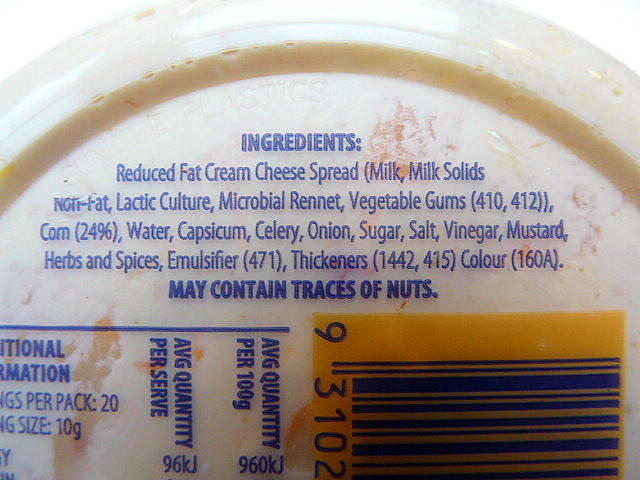
The stability of a solution depends on the balance in between the forces acting on the dispersed beads. If the beads coalesce, the emulsion can break, leading to separation. Different elements, such as temperature, focus of the emulsifier, and the approach of mixing, affect the success of emulsification. Understanding this clinical structure is essential for accomplishing regular outcomes in cooking applications including emulsions.
Tips for Making Use Of Emulsifiers in Your Dishes
When integrating emulsifiers right into recipes, cautious consideration of their residential or commercial properties and functionality can greatly boost the final product. First, one must choose the suitable emulsifier based on the wanted texture and security of the recipe. Emulsifier In Food. Typical alternatives consist of mustard, lecithin, and egg yolks, each offering distinct benefits
It's necessary to recognize the temperature at which the emulsifier works finest; for circumstances, some emulsifiers function efficiently at area temperature level, while others require warmth. Progressively including oil to the emulsifier while whisking can help create a steady solution.
Furthermore, the ratio of emulsifier to fluid is vital; inadequate may cause separation, while excessive can produce an unfavorable structure. Appropriate storage space problems ought to be taken into consideration, as some emulsified products might call for refrigeration to preserve security and freshness. By following these ideas, cooks can achieve consistently well-blended recipes.

Delicious Recipes Featuring Emulsifiers
While numerous cooks might not understand it, including emulsifiers right into recipes can boost dishes to new heights of taste and appearance. As an example, a timeless vinaigrette advantages considerably from the enhancement of mustard, which acts as an emulsifier, giving a smooth uniformity that binds oil and vinegar effortlessly. Homemade mayo showcases the power of egg yolks, developing a luscious, elegant sauce best for sandwiches and salads. - Emulsifier In Food
In baking, emulsifiers like lecithin can assist accomplish a tender crumb in cakes and muffins, enhancing wetness retention. An abundant chocolate ganache, made with whipping cream and delicious Continue chocolate, can also include an emulsifier to keep a silky surface. Furthermore, ice creams usually make use of emulsifiers to protect against and ensure a velvety appearance ice crystal development, resulting in a delightful treat experience. By integrating these emulsifying representatives, cooks can create dishes that delight the taste and give a gratifying mouthfeel.
Often Asked Inquiries
Are Emulsifiers Safe for Individuals With Food Allergies?
Emulsifiers can be secure for people with food allergic reactions, depending upon the specific emulsifier utilized. Cross-reactivity and individual sensitivities differ; subsequently, consulting a medical care professional is advisable to guarantee safety.
Can I Make My Very Own Emulsifier in your home?
Yes, people can investigate this site develop homemade emulsifiers utilizing active ingredients like egg yolks, mustard, or honey. These all-natural options can efficiently blend oils and water-based elements, using an easy service for various cooking applications.
Exactly How Do Emulsifiers Affect the Nutritional Worth of Food?
Emulsifiers can improve the nutritional worth of food by boosting nutrient absorption and security. However, excessive usage may result in unfavorable effects, possibly altering food digestion procedures and impacting gut wellness in delicate individuals.

Exist Any Type Of Unfavorable Negative Effects of Consuming Emulsifiers?
Some research studies recommend that taking in emulsifiers may result in gastrointestinal concerns or interrupt digestive tract microbiota equilibrium. Nevertheless, more research study is needed to totally comprehend their lasting impacts on health and prospective adverse side effects.
Can Emulsifiers Modification the Flavor of My Recipes?
Emulsifiers can discreetly modify the taste profile of dishes. By boosting structure and mouthfeel, they might make tastes more noticable or well balanced, but they commonly do not impart strong tastes by themselves.
Emulsifiers play a crucial role in the food industry visit their website by enabling the stable mixing of components that usually do not integrate, such as oil and water. Numerous kinds of emulsifiers are used in cooking to attain wanted appearances and security in numerous food items. In addition, business emulsifiers such as mono- and diglycerides are usually included to refined foods to boost their security and enhance shelf life. It's vital to comprehend the temperature at which the emulsifier functions best; for instance, some emulsifiers function properly at room temperature, while others call for warmth (Emulsifier In Food). Emulsifiers can be secure for individuals with food allergies, depending on the specific emulsifier used